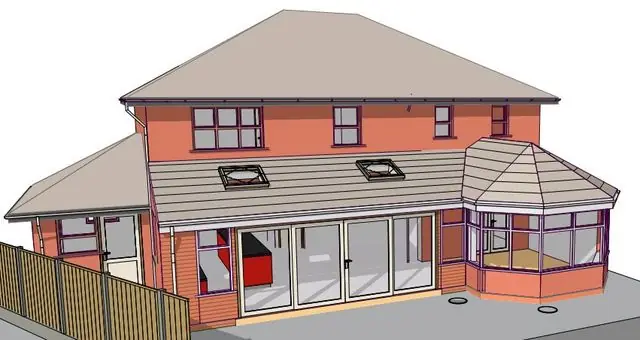
If you're considering making changes to your home, you might have come across the term permitted development. This refers to certain types of building work that can be carried out without the need for full planning permission. Understanding the scope of permitted development can save you time and money while ensuring your renovation plans remain compliant with regulations.
What Is Permitted Development?
Permitted development rights (PDRs) allow homeowners to carry out specific works on their property without applying for planning permission. These rights are set out by the government and aim to make it easier for people to improve their homes without the bureaucracy of planning approvals. However, permitted development is subject to restrictions that vary depending on factors like location, property type, and previous alterations.
Common Types of Permitted Development
Homeowners can generally undertake the following projects under PDRs:
- Extensions – Single-storey rear extensions within size limits may not need planning permission.
- Loft Conversions – Adding dormer windows and converting roof space is often allowed.
- Garage Conversions – Transforming garages into living spaces can be permitted under certain conditions.
- Outbuildings – Structures like sheds, home offices, and garden rooms can often be built without full permission.
- Porches – Small porches may be exempt from planning approval.
- Solar Panels – Installation is usually allowed, provided placement meets guidelines.
Restrictions and Exceptions
While PDRs allow for considerable flexibility, there are limitations:
- Properties in conservation areas or designated zones may face stricter rules.
- Listed buildings require special consent, even for minor works.
- Maximum height and volume limits apply to extensions and loft conversions.
- Some previously extended homes may have reduced rights.
When Planning Permission Is Required
If your intended development exceeds PDR thresholds, you'll need to apply for planning permission. Examples include:
- Multi-storey extensions or those altering the street-facing appearance.
- Large outbuildings covering extensive land.
- Any alterations impacting neighbouring properties significantly.
Checking Your Development Rights
Before beginning work, it's wise to consult your local planning authority or use the government's planning portal to verify your rights. Some councils also offer lawful development certificates, which confirm your project complies with regulations.
Conclusion
Permitted development can be a great way to improve your home without lengthy approval processes. However, it's essential to ensure compliance to avoid future legal complications. If you're unsure whether your project falls within permitted development, seeking professional advice can help you move forward with confidence.
You can always ring Chris Sinkinson at Homeplan Designs for a chat about your options